
Product Overview
What's Fiber Optic Cables
Explore more high-performing fiber optic cables for data center and high-performance computing network applications.

Fiber Optic Cables
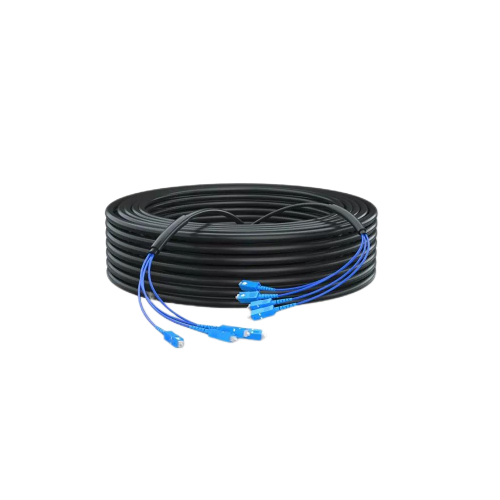
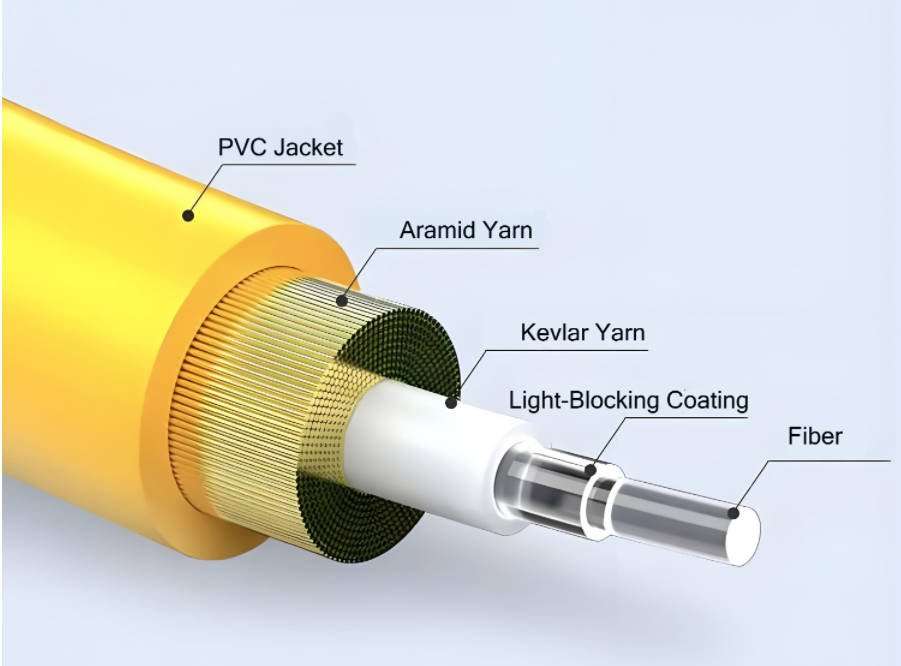
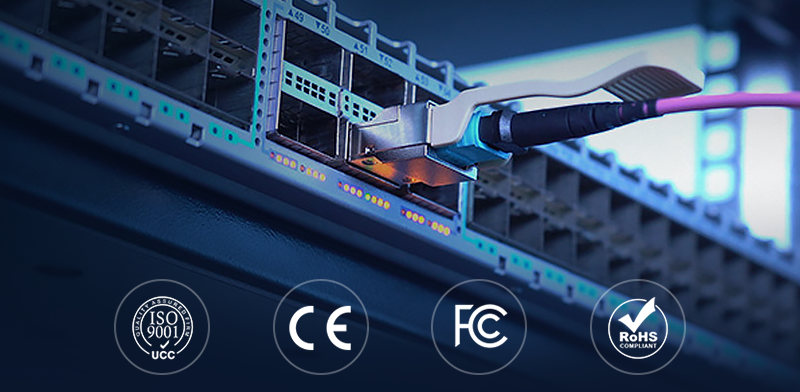
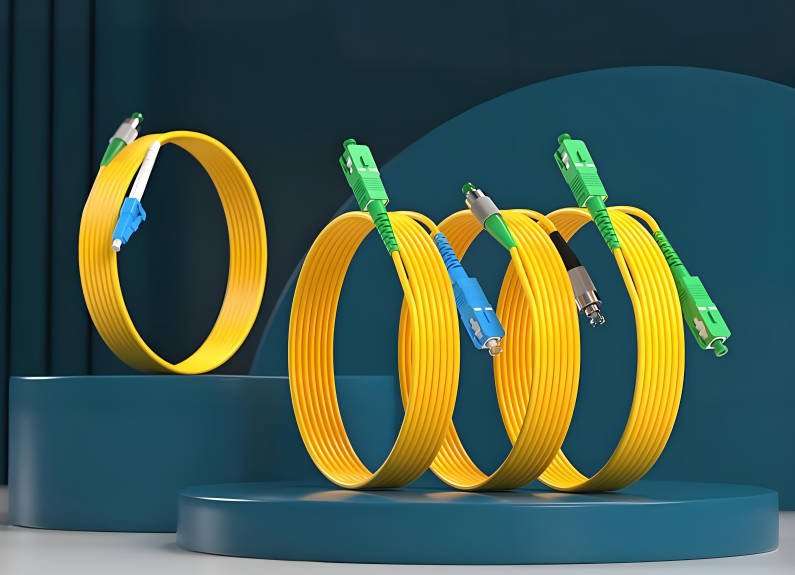
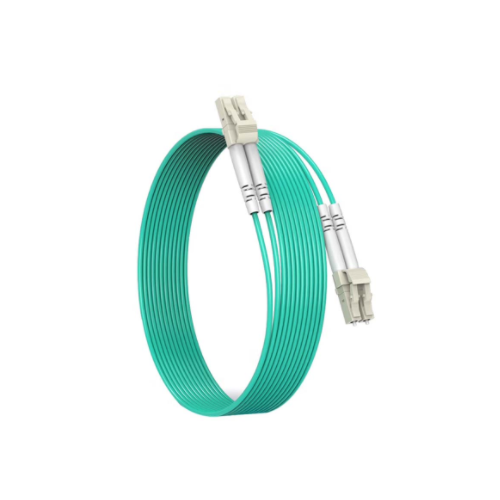
The fiber optic cable series covers a variety of high-quality, low-loss fiber optic cables designed for fast, stable, long-distance data transmission. We offer single-mode fiber optic cables for long-distance, high-bandwidth connections, as well as multimode fiber optic cables for shorter-distance, high-speed applications.
These fiber optic solutions are widely used in data centers, telecommunication networks, enterprise IT systems and Internet backbone infrastructure, ensuring high-speed, reliable connections to meet the growing demands of today’s digital world
Product Adavantages
Explore high-density and low-power optical transceivers for data center and high-performance computing network applications.

Low Insertion Loss
Low insertion loss ensures minimal signal loss during transmission and maintains strong signal quality over long distances.

Long-Distance Transmission
Data transmission over several kilometers can be achieved without signal boosters, reducing infrastructure costs.

High Bandwidth Capacity
Supports ultra-high-speed massive data transmission, ideal for environments such as data centers and telecommunications networks.
Product Categories
You can explore a full line of high-performing fiber optic cables for fiber network solutions.

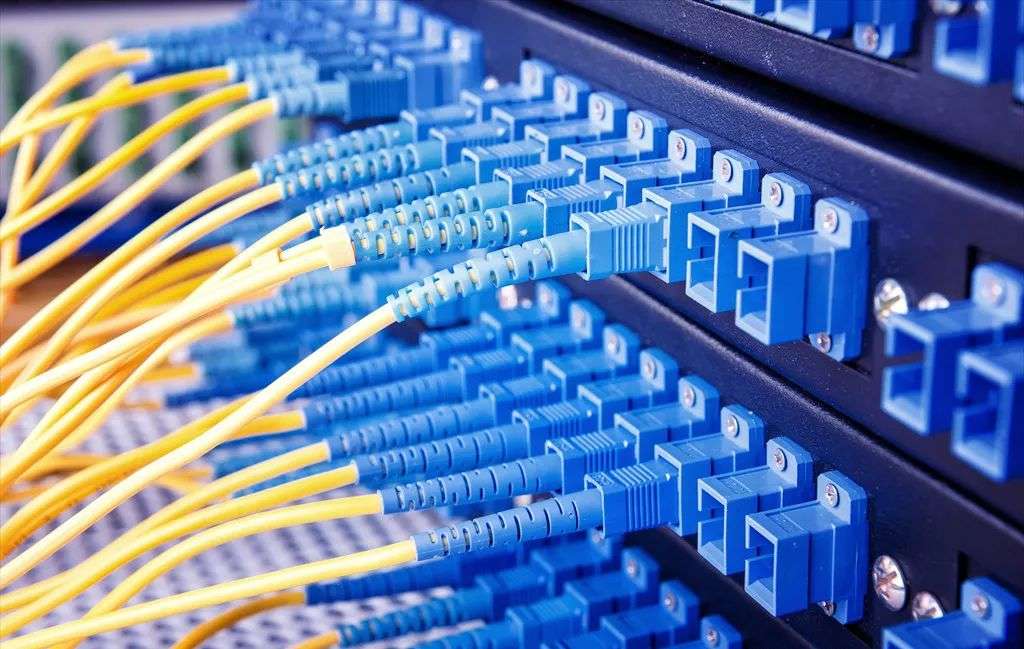
High-performance fiber cables with LC, SC, ST, or FC connectors for telecom and data connections.

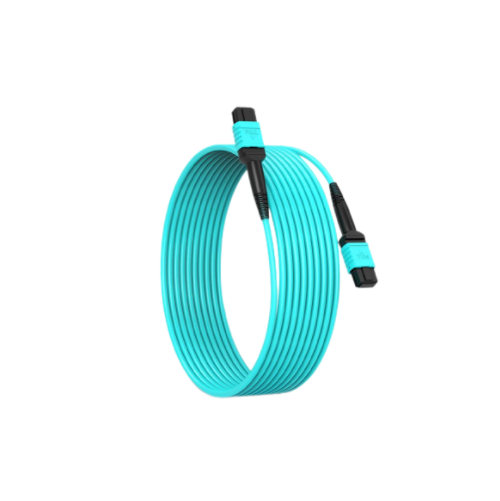
High-density fiber cable with MTP/MPO connectors for fast, multi-fiber data center connections.

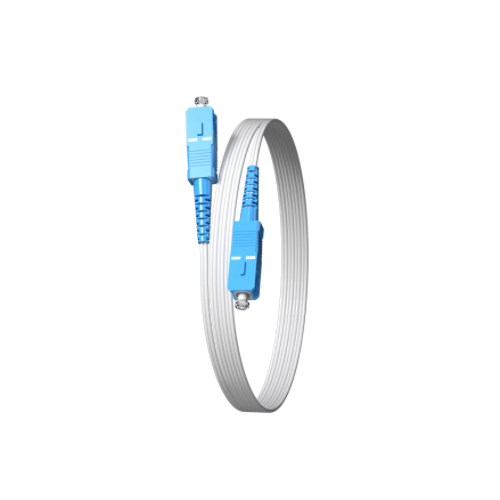
Compact, flexible fiber cable for last-mile FTTH links, easy to install and bend in tight spaces.

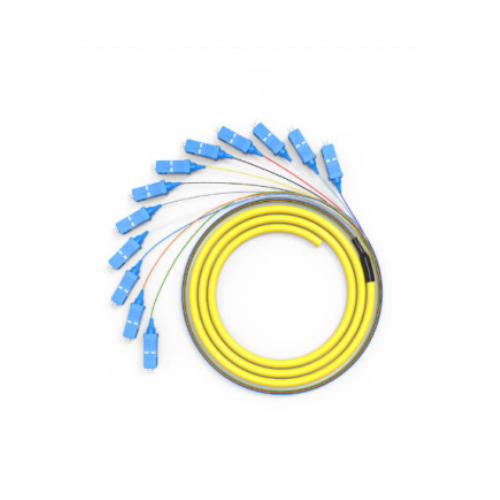
Fiber pigtails are single-ended cables used for splicing and terminating fiber optic links.

Rugged and flexible cable for rapid deployment in military, broadcast, and emergency field use.

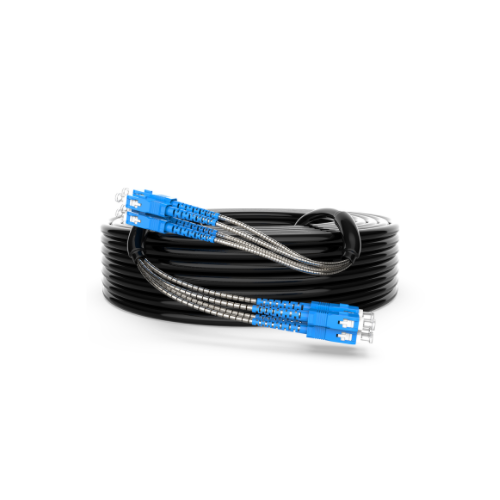
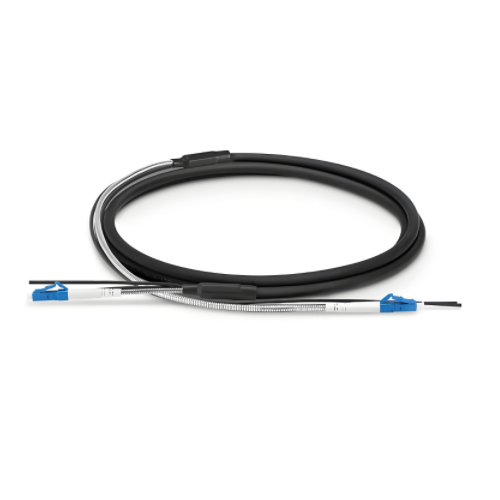
Durable cable with metal protection for stable performance in harsh, fixed installations.

Weather-resistant fiber cable links base stations with remote radio units in FTTA applications.

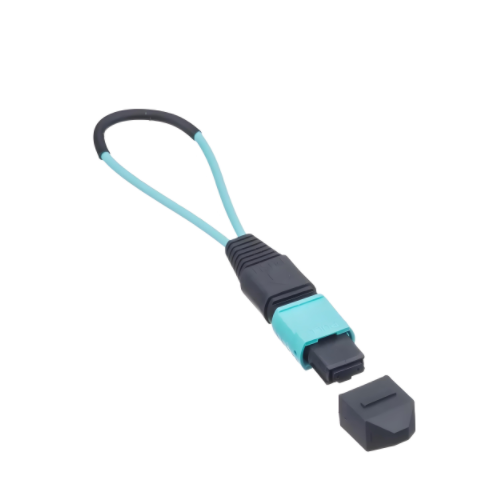
Loopback module for testing and verifying fiber optic network ports and signal integrity.
Customized Services
Comprehensive customization services to provide fiber optic cables that precisely meet your network requirements and environmental conditions


Fiber Type
Options include single-mode (SM), multimode (MM), polarization maintaining (PM), and specialty fibers such as erbium-doped or photonic crystal fibers.

Cable Length
The cable length is customized according to the installation requirements, from short distances to several kilometers.

Connector Type
Wide range of connector options like LC, SC, FC, ST, MTP/MPO, E2000, etc., to ensure compatibility with various equipment.

labels and packaging
Customized labeling and packaging solutions to meet customer logistics and field management preferences.
Test Center
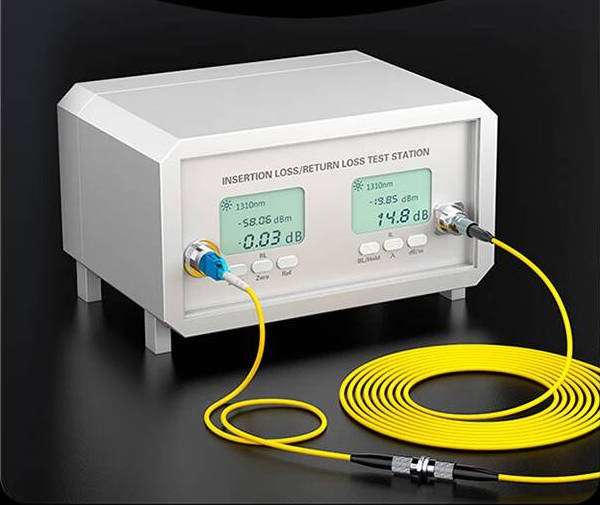
All optical transceivers are tested end-to-end to ensure stable, high-speed transmission, signal integrity, and reliable performance in actual networks.

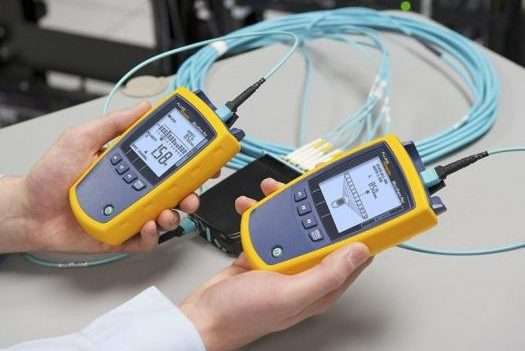
Loss Testing
The test measures signal loss and light reflections to ensure that the patch cord is transmitting data efficiently and reliably with minimal attenuation.

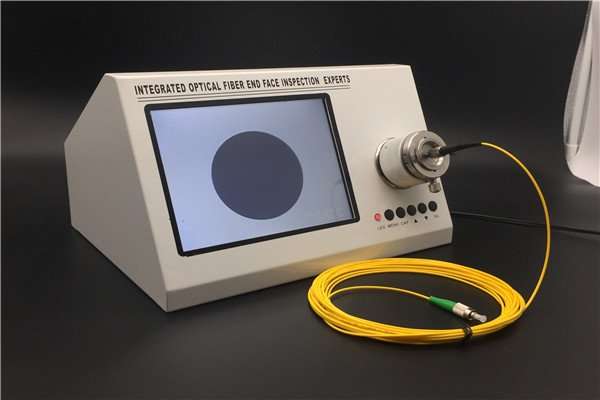
Endface Inspection
Use a microscope or 3D tools to inspect connector end faces for cleanliness and defects to ensure a good optical connection with minimal signal loss.

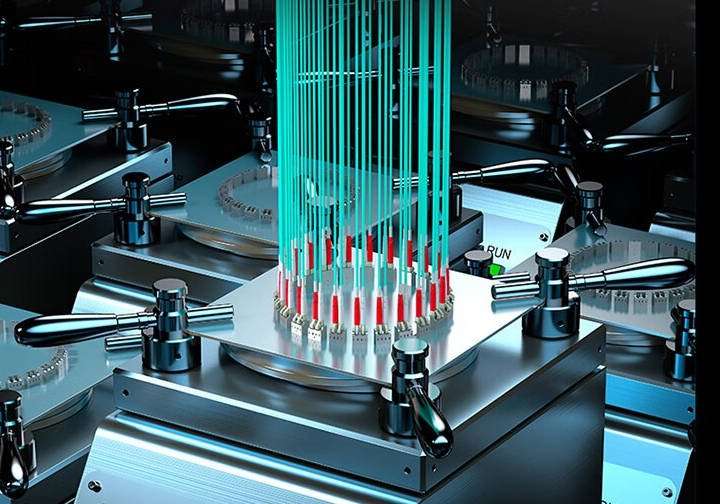
Mechanical Testing
The cable’s strength and flexibility are checked through tension, bending, and connector durability tests to ensure it can withstand real-world use without failure.
Industry Insights
Learn more about the latest industry trends, news and insights, and explore more trusted resources.

How to Choose the Right Fiber Optic Cables?
Learn how to select the right fiber optic cables for your network requirements, including fiber type, connector style, length, and environmental considerations.

Fiber Patch Cord Installation Tips
The advance construction and upgrade of the bearer network will drive the demand for optical devices of the network to explode.

Single Mode vs Multimode Fiber Optic Cable
Single Mode fiber is designed for long-distance, high-speed data transmission, while Multimode fiber is ideal for shorter distances and cost-effective networking solutions.
Qustions?
We are here to help.

Contact Sales
Reach out to a sales representative for answers to all your questions.

Technical Support
Get the professional technical support for your project.